

There is no single “correct” packing list for the outdoors, because a two-hour walk in a city park and a full-day mountain traverse are completely different trips. The smart way to pack is to match your gear to your route: the distance, the terrain, the weather and how far you are from the nearest help.
Here is a practical, route-by-route guide to the outdoor gear worth preparing, so you carry enough to stay safe and comfortable without weighing yourself down.
1.Short and easy routes — local parks, riverside walks, 1–2 hours
On easy routes close to civilization, the goal is lightweight basics. A small 10–15 liter backpack, one liter of water, a light sun hat and sunscreen are usually enough. Still, pack a small power bank, because phones die when you need them most, and one energy bar in case you walk farther than planned. A foldable picnic blanket or a compact camping chair turns a short walk into a pleasant rest by the water, and it is the kind of item you will actually use every weekend.
2.Half-day hikes — 3 to 5 hours, moderate trails
This is the most common outdoor trip, and the gear list starts to grow. Carry 2 liters of water plus electrolyte tablets, because sweating on moderate climbs drains more than plain water can replace. Pack a rain shell even if the sky is clear, as mountain weather changes in minutes, and bring an extra pair of socks. A simple first aid kit with bandages and blister plasters belongs in every half-day bag. If the trail has any elevation gain, a pair of trekking poles saves your knees on the way down and is one of the most practical purchases you can make.
3.Full-day mountain routes — 6 hours or more, remote trails
For a long day in the backcountry, preparation becomes serious. Plan 3 liters of water per person, or bring a water filter if there are streams along the route. Download offline maps before you leave and carry a paper map as backup, because cell coverage disappears fast. A headlamp with spare batteries is non-negotiable, since even experienced hikers underestimate how slow the descent can be. Add a warm mid layer and an emergency blanket; on exposed ridges, temperatures drop sharply after sunset. A 20–30 liter backpack with a hip belt makes a full-day load comfortable instead of punishing.
4.Overnight camping trips — bring your own comfort
When you stay the night, you trade speed for comfort. A sleeping pad, a warm sleeping bag and a tent are the obvious basics. What people forget: a portable camping light or lantern is essential after dark. One good lantern in the tent plus a headlamp for late-night trips outside covers almost every situation. A large insulated bottle or thermos keeps hot drinks ready in the morning, and a folding table or chair makes the campsite feel like home rather than a survival exercise. If you cook over charcoal, a clay stove or portable grill adds real enjoyment to the evening.
Smart preparation rules that apply to every route
No matter where you go, follow these four habits. First, tell someone your route and expected return time. Second, pack one extra portion of food and one extra layer of clothing beyond what you think you need. Third, charge everything the night before and test your lights. Fourth, check the weather forecast for the trailhead, not for your home town, because conditions at altitude are always different.
The right gear does not make you invincible, but it makes small problems stay small: a blister kit turns a painful walk into a minor stop, a headlamp turns a late descent into a calm finish, and an extra layer turns a cold evening into a comfortable one. Pack according to your route, buy practical gear you will genuinely use, and the outdoors will reward you every time.


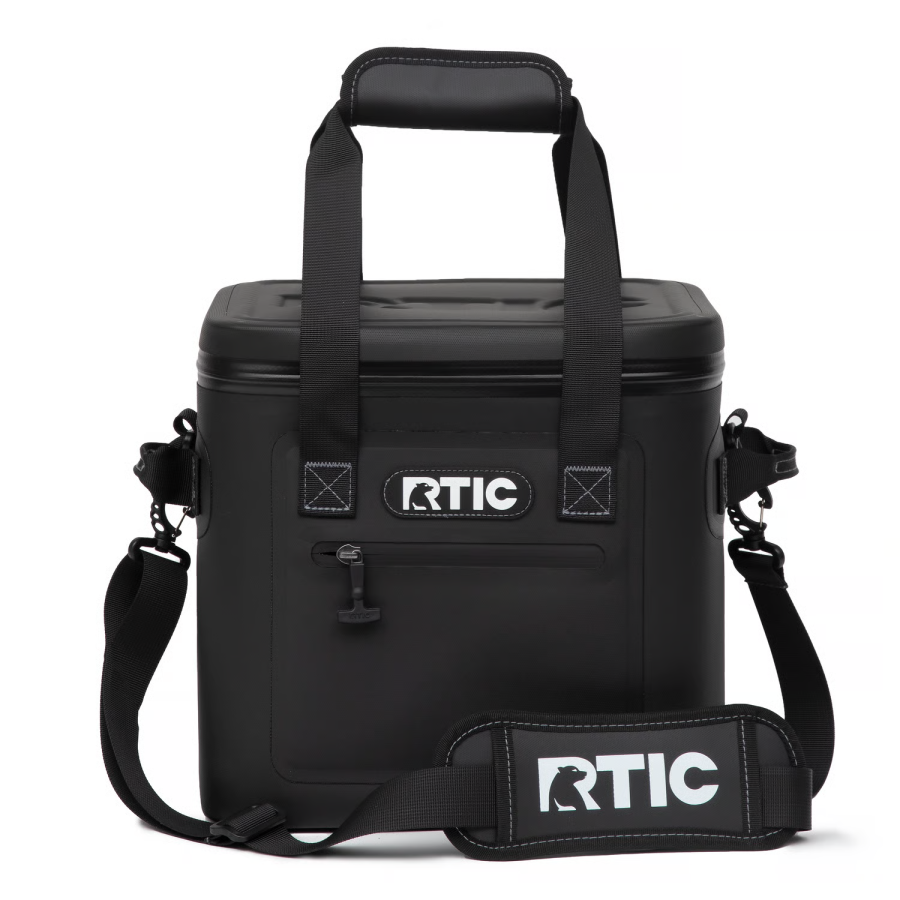
 3 products

